Hamilton Hills Animal Hospital

(317) 770-1111

Menu
  • Home
  • About Us
  • Patient Center
    • New Patient Registration Form
    • Payment Options
    • Veterinary Resources
    • Veterinary Topics
      • Pet Health
        • Chronic Conditions
        • Digestive and Oral Health
        • Diseases and Viruses
        • Pests and Parasites
        • Orthopedics
      • Today's Veterinarian
      • Choosing Your Pet
        • Finding Your Pet
        • Cats
        • Dogs
        • Exotics
          • Amphibians
          • Birds
          • Reptiles
            • Lizards
            • Turtles
        • Small Mammals
          • Ferrets
          • Rabbits
          • Domesticated Animals
            • Prairie Dogs
          • Pocket Pets
            • Chinchillas
            • Guinea Pigs
            • Hamsters
            • Hedgehogs
            • Rats
        • Livestock
          • Cows
          • Donkeys, Horses & Mules
          • Goats
          • Pigs
          • Poultry
          • Sheep
      • Living With Your Pet
        • Bringing Your Pet Home
        • Children and Pets
        • Providing Care
        • Travel
        • Saying Goodbye
      • Newsletter Library
        • Cats
        • Tips for Pet Owners
        • Behavior & Training
        • Fleas & Parasites
        • Keeping Pets Healthy
        • Recognizing Illness
        • Nutrition & Food
        • Pet Dangers
        • Seasonal Topics
        • Visiting the Vet
        • Equine
        • Newsletter Archive
          • Fun with Pets
          • Unbelievable Pets
      • Video Newsroom
        • Health Topics
        • Technology and Science
        • Other Interests
      • Newsletter Library
      • Client Survey
      • Pets4Kids
    • What to Expect
  • Services
    • Veterinary Care
      • How to Keep Pets Warm and Healthy Winter Safety...
      • Keeping Paws Protected This Winter
    • Bloodwork
      • How Regular Blood Tests Can Add Years to Your P...
      • How to Know When Your Pet Needs a Blood Test
    • Conditions Treated
    • Dental Care
      • Cat Dental
      • Dog Dental
      • Pet Dental Care FAQs
      • Dental Preventive Techniques
      • Top Health Benefits of Regular Pet Dental Care
      • Treating Gum Infections in Pets
    • Emergency Care
    • Parasite Prevention
      • Flea and Tick Prevention
      • Heartworm Prevention and Treatment
    • Holiday Disasters for Pets
    • Pet Allergies
    • Pet Cardiology
    • Pet Boarding FAQs
    • Pet Grooming
    • Spaying & Neutering
      • Cat Spaying & Neutering
      • Dog Spaying & Neutering
      • Dispelling Spay and Neuter Myths
      • The Benefits of Spaying and Neutering Your Pet
    • Surgery
      • Pet Surgery FAQs
      • Intermediate Level Surgical Procedures
      • Ear Canal Surgery
      • Ocular Surgeries
      • Urinary Surgery
    • Vaccinations
    • Wellness Exams
  • Blog
  • Contact Us
  • Home >
  • Articles >
  • Newsletter Library >
  • Nutrition & Food >
  • Why Your Guinea Pig Needs Vitamin C But Your Dog Doesn't

Why Your Guinea Pig Needs Vitamin C But Your Dog Doesn't

  • Created in Newsletter Library, Nutrition & Food
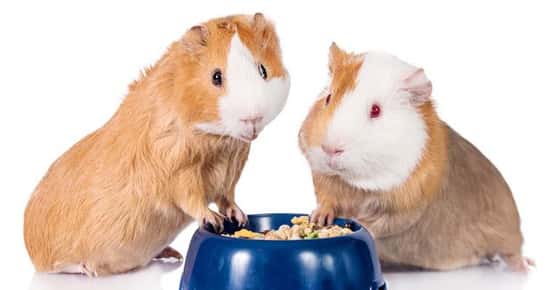
Image of two guinea pigs.

We all need to eat a complete and balanced diet. We feed our dogs and cats food developed by companies that study their nutritional needs, but if you study the list of ingredients, Vitamin C is not listed. When we prepare our own meals, we have to make sure we consume a source of Vitamin C such as orange juice. Ever wonder why most pets don't need this vitamin?

The vast majority of animals in the world make their own Vitamin C and don't need to consume any. Vitamin C is also known as ascorbic acid. This vitamin is important for several enzyme reactions in the body. It is a factor in pathways making collagen and other substances that are important in healing and preventing bleeding from capillaries. It is an antioxidant and is also required to make adrenaline and dopamine.

Some species of animals have lost the ability to make Vitamin C however. A genetic defect occurred in guinea pigs, fruit bats, capybaras, some reptiles, and many primates, including humans. This defect causes the inability to make the enzyme L-gulonolactone oxidase in the liver. This enzyme allows the body to convert glucose to ascorbic acid, or Vitamin C.

These animals must consume Vitamin C in order to be healthy. That why it is important that people, and these other animals drink orange juice or eat other foods high in Vitamin C.

As far as pets are concerned, dogs and cats make their own Vitamin C and do not need to consume any. It is important, though, to feed guinea pigs a diet high in ascorbic acid. That is why you should feed them a pelleted diet made for guinea pigs and not one made for rabbits. The guinea pig diet contains Vitamin C while the rabbit food does not.

If you have any questions regarding nutrition for your pet, you can ask your veterinarian for help.

  • Pet Health
    • Chronic Conditions
    • Digestive and Oral Health
    • Diseases and Viruses
    • Pests and Parasites
    • Orthopedics
  • Today's Veterinarian
  • Choosing Your Pet
    • Finding Your Pet
    • Cats
    • Dogs
    • Exotics
      • Amphibians
      • Birds
      • Reptiles
        • Lizards
        • Turtles
    • Small Mammals
      • Ferrets
      • Rabbits
      • Domesticated Animals
        • Prairie Dogs
      • Pocket Pets
        • Chinchillas
        • Guinea Pigs
        • Hamsters
        • Hedgehogs
        • Rats
    • Livestock
      • Cows
      • Donkeys, Horses & Mules
      • Goats
      • Pigs
      • Poultry
      • Sheep
  • Living With Your Pet
    • Bringing Your Pet Home
    • Children and Pets
    • Providing Care
    • Travel
    • Saying Goodbye
  • Newsletter Library
    • Cats
    • Tips for Pet Owners
    • Behavior & Training
    • Fleas & Parasites
    • Keeping Pets Healthy
    • Recognizing Illness
    • Nutrition & Food
    • Pet Dangers
    • Seasonal Topics
    • Visiting the Vet
    • Equine
    • Newsletter Archive
      • Fun with Pets
      • Unbelievable Pets
  • Video Newsroom
    • Health Topics
    • Technology and Science
    • Other Interests
  • Newsletter Library
  • Client Survey
  • Pets4Kids

Your First Visit is FREE

Sign up now

Error!

    Office Hours

    Our Regular Schedule

    Monday:

    8:00am

    6:00pm

    Tuesday:

    8:00am

    6:00pm

    Wednesday:

    8:00am

    12:00pm

    Thursday:

    8:00am

    12:00pm

    Friday:

    8:00am

    6:00pm

    Saturday:

    8:00am

    12:00pm

    Sunday:

    Closed

    Closed

    Holiday hours may vary- please call ahead for an appointment

    Connect With Us

    No social media links found. Please configure it

    Location

    Find us on the map

    • Copyright © 2026 MH Sub I, LLC dba iMatrix.
    • Admin Log In
    • Site Map